
International Book Day
- Apr 23
- 2 min read
Updated: Apr 26

Knowledge, its production, reproduction, development, distribution, and maintenance, form the veins of human societies across the earth. For this exact reason, when states, institutions, corporations, and global systems seek to weaken, subjugate, or erase a culture or a people, one of their first targets is the means of production and distribution of knowledge: books, bookshops, libraries, print houses, universities, and schools.
This practice is called bookburning, sophicide, or scholasticide, it refers to the deliberate destruction of forms and means of knowledge, particularly in the pursuit of social repression.
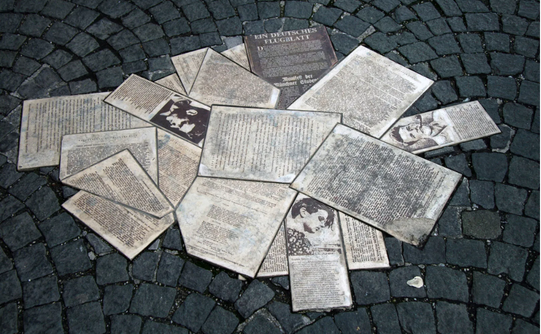
The most famous example was in Nazi Germany, where in 1933 Nazis targeted the Institute for Sexual Science in Berlin,destroying its library contents among countless other communist, feminist, queer and Jewish works. A consistent form of resistance to this subjugation is the preservation and spreading of outlawed or censored knowledge. One example is the incredible and brave commitment of Omar Hamad to preserving as many books as he can; from displacement to displacement during the genocide in Gaza, he continues carrying his library with him. Another is the Leaflets of the White Rose, a series of anonymous anti-fascist leaflets distributed across Germany during the Third Reich, supporting the resistance and calling for people to join.

Everywhere the destruction of knowledge is sought – from the genocide of Indigenous peoples in the Americas and British rule over India, to the Israeli genocide, ethnic cleansing and apartheid across Palestine, or Nazi rule in Germany– defiant and resistant groups and people rise up to preserve and distribute what knowledge they can. On this Book Day, we stand with the archivists, the activists, the wheatpasters, and the researchers everywhere who understand that knowledge is power, and power is for the people.



Comments